
Vanilla type is becoming an increasingly relevant consideration for food manufacturers, chefs, ingredient buyers, and consumers as demand for natural flavors continues to grow worldwide. Behind the familiar aroma of vanilla lies a diverse market shaped by plant species, geographical origin, cultivation practices, and curing methods. The differences are significant enough that buyers increasingly look beyond the word “vanilla” when selecting raw materials for food, beverages, fragrances, and other products.
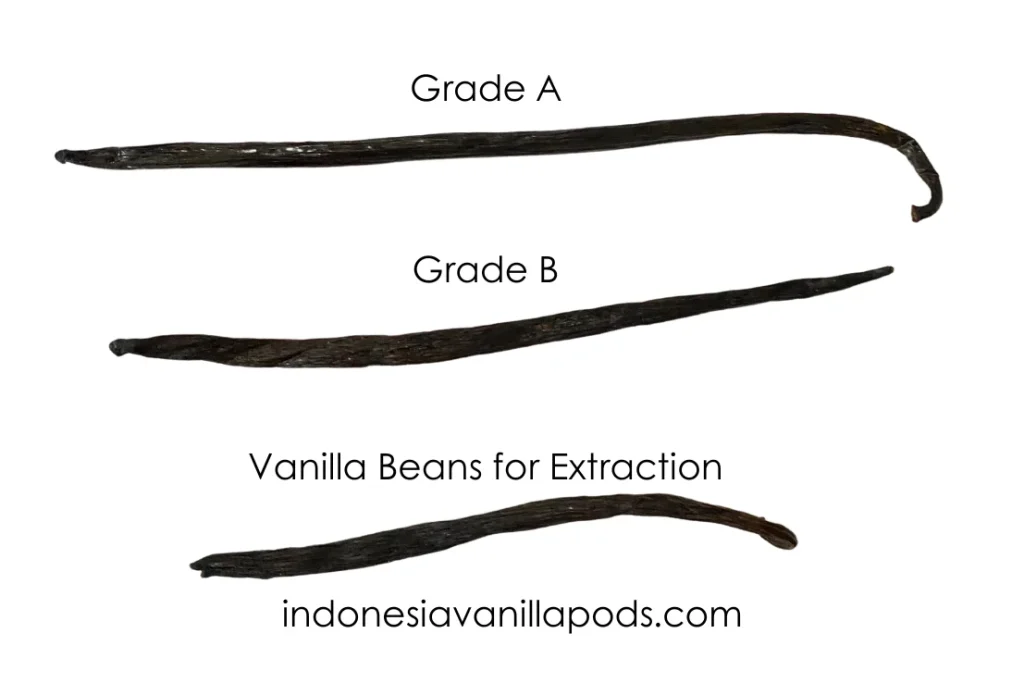
Vanilla comes from orchids belonging to the Vanilla genus, with several species occurring naturally in different parts of the world. Only a small number have developed major commercial markets, but each has its own characteristics. Madagascar remains closely associated with traditional Bourbon vanilla, while Tahitian vanilla has built a reputation for its distinctive floral profile. Mexico, meanwhile, holds an important place in the history of the crop.
The market is also becoming more diverse as production expands in countries across Africa and Asia. Indonesia and Uganda, among other producing regions, have developed significant roles in the supply chain. For international buyers, understanding the differences between origins and varieties has become increasingly important as quality, traceability, and sustainability move higher on the agenda.
Why Vanilla Varieties Matter
Vanilla is often treated as a single ingredient, but its sensory characteristics can vary considerably. Aroma, flavor intensity, moisture, bean appearance, and chemical composition may differ from one source to another, Vanilla type
Growing conditions are one factor. Climate, soil, rainfall, altitude, and agricultural practices can all influence the development of vanilla pods. Processing after harvest is equally important because curing plays a major role in developing the familiar aroma associated with natural vanilla.
The Importance of Curing
Freshly harvested vanilla does not immediately have the rich aroma expected from finished beans. Producers traditionally use a curing process involving stages such as heating, sweating, drying, and conditioning.
During curing, biochemical reactions transform compounds within the beans and help develop vanillin along with numerous other aromatic compounds.
This explains why two beans from the same species can still show differences when they come from different farms, regions, or processing systems.
Madagascar Remains a Major Reference
Madagascar is one of the world’s best-known sources of natural vanilla. Production is largely associated with Vanilla planifolia, the species behind much of the world’s commercial vanilla supply.
The country’s beans are commonly linked with a sweet, creamy, rich, and familiar vanilla character. These qualities have made them popular among manufacturers producing ice cream, chocolate, bakery products, dairy foods, beverages, and extracts.
Production Faces Ongoing Pressure, Vanilla type
Despite its strong position in the international market, vanilla production in Madagascar remains vulnerable to weather events, agricultural challenges, labor requirements, and changes in global prices.
Vanilla cultivation is highly labor-intensive. Farmers must carefully manage plants, flowers, harvesting, and curing to produce beans that meet commercial standards.
The result is a supply chain where agricultural conditions can have a direct impact on availability and pricing in international markets.
Tahitian Vanilla Builds a Distinct Identity
Tahitian vanilla offers a different sensory profile from the classic character associated with Madagascar beans. It is generally associated with Vanilla tahitensis and is particularly known for floral, fruity, and aromatic notes.
Its distinctive profile has helped it develop a position in specialty food markets.
Demand From Premium Applications
Pastry chefs, chocolatiers, beverage producers, and specialty food companies may choose Tahitian beans when they want a more pronounced floral or fruity character.
The variety is particularly useful in applications where vanilla is intended to play a visible role in the final flavor profile rather than simply provide background sweetness.
Although French Polynesia is historically associated with Tahitian vanilla, related cultivation has also developed in other suitable regions.
Mexico Retains Historical Importance
Mexico occupies a unique position in the vanilla industry because the crop originated in Mesoamerica. Vanilla was used by Indigenous communities long before it became an internationally traded commodity.
Mexican production is primarily linked to Vanilla planifolia, although flavor characteristics can vary between growing areas and processing methods.
Traditional Knowledge Remains Relevant
One important feature of vanilla cultivation is pollination. Outside its native environment, commercial production generally relies on human-assisted pollination to ensure that flowers develop into mature pods.
This labor-intensive process remains an important part of the crop’s production story.
Mexico’s historical connection with vanilla also continues to contribute to the ingredient’s cultural and commercial identity.
Indonesia Expands Its Position
Indonesia has become another important producer in the global vanilla supply chain. The country’s tropical climate provides suitable conditions for cultivation, while production takes place across several regions.
The characteristics of Indonesian vanilla can differ depending on location, cultivation methods, harvesting, and curing practices.
Opportunities for Indonesian Producers Vanilla type
The international market provides opportunities for Indonesian farmers and processors to move toward higher-value vanilla products.
Better post-harvest handling, improved curing techniques, quality control, and traceability can help producers meet increasingly specific requirements from international buyers.
Sustainable farming practices may also become more important as businesses look for reliable supplies with clearer information about their origin.
Uganda and Other Producing Regions
Uganda has also developed a recognized position in the natural vanilla market. Its production is mainly based on Vanilla planifolia, with beans influenced by local growing and curing conditions.
Other countries in Africa and Asia are also participating in vanilla production, creating a more geographically diverse supply chain.
A Broader Global Supply Chain
The expansion of production areas gives international buyers more sourcing options. At the same time, it creates greater variation in quality, processing standards, and availability.
For buyers, country of origin alone may not provide enough information. Bean size, moisture content, curing quality, aroma, and storage conditions can all affect the final product.
Climate Is Becoming a Major Concern
Vanilla production depends heavily on environmental conditions. Changes in rainfall patterns, temperature, storms, and other climate-related events can affect flowering, pollination, pod development, and harvests.
Farmers Face Multiple Risks
Because vanilla requires substantial manual labor, production can also be affected by labor availability and rising costs.
For producers, improving agricultural techniques and strengthening post-harvest practices can help reduce some of these risks. However, the crop remains closely connected to local environmental conditions Vanilla type.
The challenges facing producers are increasingly relevant to international buyers because disruptions in producing regions can influence global supply.
Traceability Gains Importance
As consumers pay greater attention to where food ingredients come from, companies are increasingly interested in traceable vanilla.
Information about farms, production regions, processing facilities, and supply-chain partners can help buyers assess raw materials more effectively.
Sustainability Enters the Conversation
Sustainable sourcing is also becoming part of the broader discussion. Buyers may consider farming practices, farmer relationships, environmental management, and supply-chain transparency when evaluating suppliers.
For producers, stronger documentation and consistent quality control can help build relationships with international customers.
Selecting the Right Vanilla for Different Products
The choice of vanilla ultimately depends on the product and the desired sensory profile. A manufacturer producing a standard vanilla extract may have different requirements from a premium chocolate producer or a pastry business.
Madagascar-style vanilla is widely associated with a classic creamy profile, while Tahitian vanilla can provide more floral and fruity characteristics. Mexican vanilla brings historical significance and distinctive regional profiles, while Indonesian and Ugandan beans provide additional sourcing options.
Quality Goes Beyond Origin
Origin is only one part of the equation. Harvest timing, curing, storage, moisture, bean condition, and processing standards can all affect performance.
For businesses purchasing vanilla at commercial scale, evaluating the complete supply chain can therefore be as important as selecting a particular country or variety.
Conclusion
Vanilla type is no longer simply a matter of choosing between different names on a supplier’s product list. Species, geographical origin, cultivation, curing, and supply-chain practices all contribute to the characteristics of the final ingredient.
As demand for natural flavors continues to expand, the global vanilla industry is becoming more diverse and more closely connected to issues such as climate resilience, traceability, quality control, and sustainable sourcing.
For producers and buyers alike, understanding these differences can provide a clearer picture of how one of the world’s most familiar flavors moves from tropical farms to the global food and beverage market.
For more information Vanilla type, contact us via WhatsApp (+62) 812-1233-3590 or email sales@arlion.co.id.
